
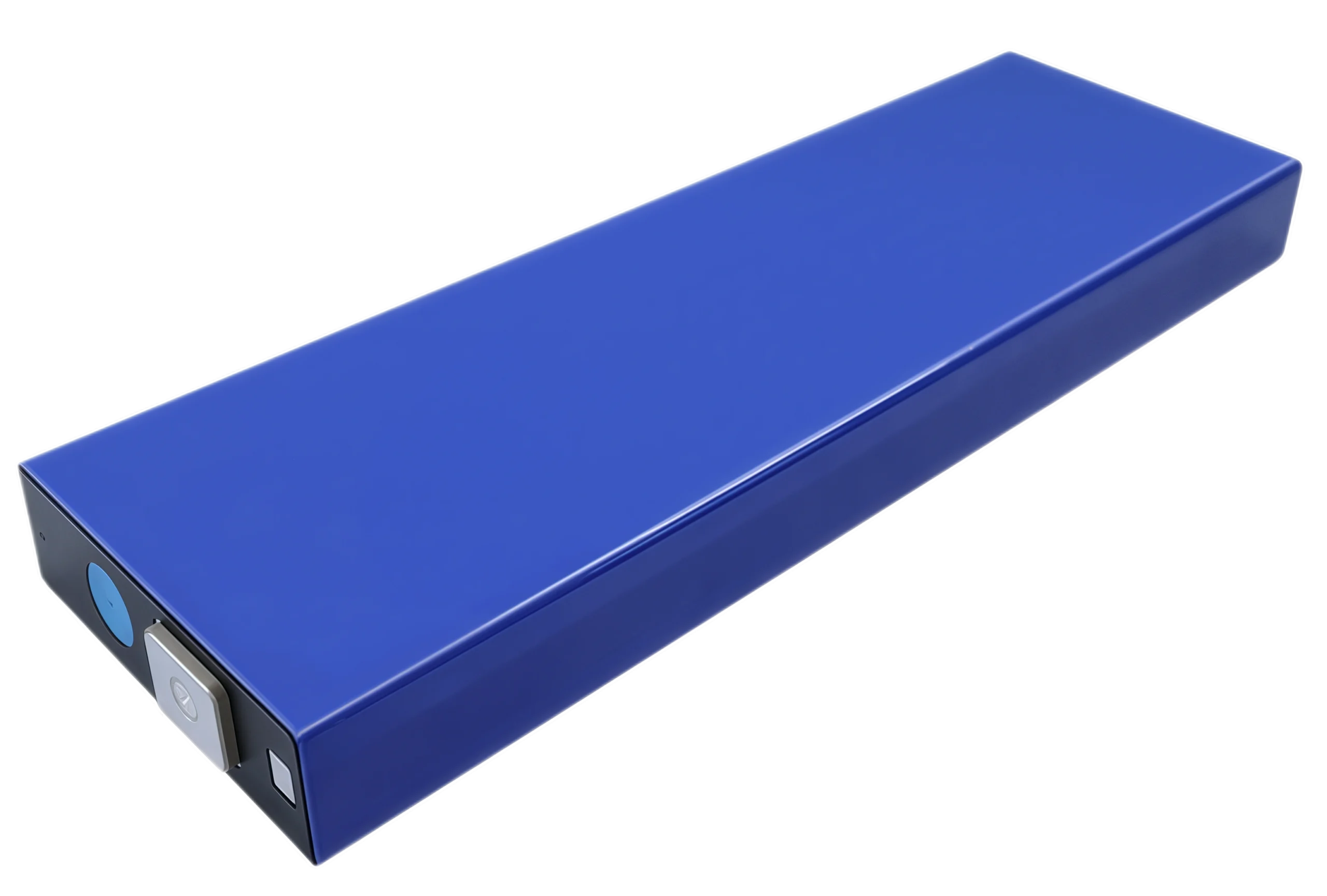
The EVE V21 is a high-performance Lithium Iron Phosphate (LiFePO4) cell originally developed for the electric vehicle market. It follows the industry-standard VDA dimensions, making it a versatile choice for both automotive and stationary applications. With a capacity of 154Ah, it offers slightly more energy than standard 150Ah cells.
A: It is rated for 2,000 cycles under fast-charge conditions (80% DOD). In milder applications like solar storage with lower charge rates (0.2C), the cycle life typically extends significantly.
A: Yes. Its compact size and 154Ah capacity make it a great upgrade for 12V or 24V RV systems, providing plenty of power for lights, fridges, and electronics.
A: It depends on your application. The V21 is a VDA-spec cell often used in EVs, while LF series are often general-purpose. The V21 is an excellent, cost-effective choice for systems designed for standard 0.3C-0.5C rates.
The EVE V21 is a VDA-standard 154Ah LiFePO4 prismatic cell tailored for electric vehicles and energy storage. Offering a high capacity of 154Ah (495.8Wh) in a compact form, it features low internal resistance (≤0.50mΩ) and stable 1/3C discharge performance, making it ideal for consistent, long-duration power delivery.
| Parameter | Specification |
|---|---|
| Brand | EVE |
| Model Number | V21 (154Ah) |
| Minimum Capacity | 154Ah |
| Nominal Voltage | 3.22V |
| Minimum Energy | 495.8Wh |
| Initial Internal Resistance | ≤ 0.50mΩ |
| Standard Charge/Discharge | 51.3A (1/3C) |
| Weight | 2755g ± 30g |
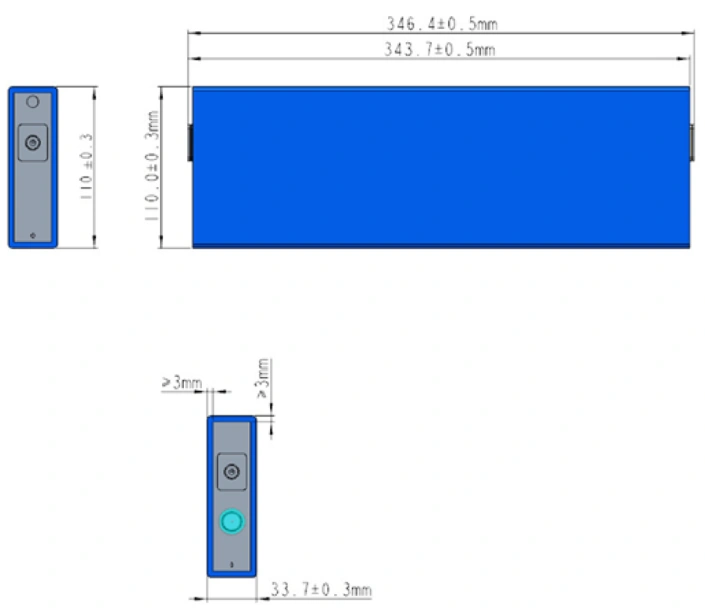
| Dimensions (L*H*T) | 346.4 x 110.0 x 33.7 mm |
| Fast Charge Cycle (25°C) | 2000 Cycles (80% DOD) |
| Operation Temperature | Charge: -20°C ~ 55°C | Discharge: -30°C ~ 55°C |
Stop charging cells if charging isn’t completed within the specified time.
Stop using cells if the battery becomes abnormally hot, develops an odor, becomes discolored, deformed, or develops any other abnormal conditions during use, charge, discharge, or storage.
Keep away from fire or hot heat sources immediately when a leakage or foul odors are detected. If liquid leaks onto your skin or cloths, wash it out with plenty of fresh water immediately if liquid leaks from cells and gets into your eyes, don’t rub your eyes. Wash your eyes out with plenty of clean water and seek medical attention immediately.
Notice: Standard charge/discharge is 1/3C (approx 51A). For maximum lifespan, avoid continuous high-current discharging.